
The code compiles, the design is responsive, and you’ve just deployed a client’s project. That feeling of accomplishment is powerful. But for a freelancer, a finished project often triggers a familiar anxiety: “Where will the next one come from?” The hunt for consistent, well-paid freelance web developer jobs is the single biggest challenge in this career path. However, it’s a challenge you can master with a strategic approach. Consequently, this guide moves beyond just listing job boards. We will explore a multi-channel strategy to help you build a resilient pipeline of clients, from leveraging online platforms to mastering the art of the direct pitch. Therefore, let’s dive into the systems and mindsets that will transform you from a sporadic gig-worker into a sought-after development partner.
The Foundation: Positioning Yourself for Success
Before you apply for a single job, you must lay the groundwork. Clients hire developers they can trust to solve problems, not just write code.
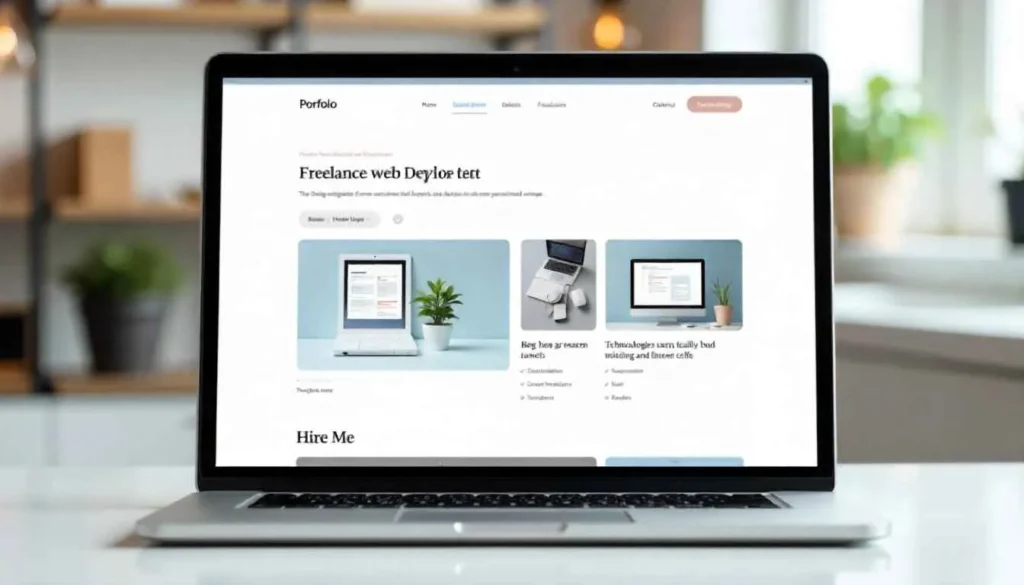
Craft an Irresistible Portfolio
Your portfolio is your most powerful sales tool. It’s not just a gallery of screenshots; it’s a collection of solved problems.
- Showcase Case Studies, Not Just Projects: For each project, explain the client’s challenge, your specific technical solution (e.g., “I built a custom WordPress theme using Advanced Custom Fields to give the client easy content control”), and the measurable result (e.g., “The new site load time decreased by 40%, leading to a 15% increase in conversions”).
- Demonstrate Your Tech Stack: Clearly list the technologies you used for each project (e.g., React, Node.js, Laravel, Shopify Liquid). This helps you attract clients who need your specific expertise.
- Include a “Hire Me” Page: Make it easy for potential clients to take the next step with a clear call-to-action, your service offerings, and a contact form.
Define Your Niche and Services
Trying to be a “general” web developer is a race to the bottom. Specialization makes you more memorable and allows you to command higher rates.
- Your Niche: Instead of “I build websites,” say “I build fast, SEO-optimized websites for B2B SaaS companies using Next.js” or “I specialize in creating custom WooCommerce solutions for e-commerce brands.”
- Your Service Packages: Package your offerings. For example:
- Package 1: Front-end development and integration with headless CMS.
- Package 2: Full-stack web application development.
- Package 3: Website maintenance and performance optimization retainers.
Where to Find Freelance Web Developer Jobs: A Multi-Channel Approach
Relying on a single source for work is risky. A successful freelancer diversifies their lead generation across several channels.

Online Freelance Marketplaces
These platforms are a common starting point. They provide immediate access to a large volume of freelance web developer jobs, but require a strategy to stand out.
- Upwork & Toptal: Upwork has a vast range of projects, while Toptal is more exclusive and focuses on the top 3% of talent. On Upwork, your profile, proposal quality, and initial portfolio are critical. Avoid low-bidding wars; instead, focus on clients who value quality.
- Gun.io: A curated platform specifically for developers, often with higher-quality projects and clients who understand tech.
- Specialized Job Boards: Sites like We Work Remotely, AngelList, and Stack Overflow Jobs often have contract and freelance positions posted by tech companies.
Pro Tip: Your proposal should not be a generic copy-paste. Address the client’s problem directly, briefly explain how you would approach it, and link to a specific, relevant project in your portfolio.
Networking and Community Building (The Hidden Job Market)
Many of the best freelance web developer jobs are never publicly posted. They are filled through referrals and networks.
- Leverage LinkedIn: Optimize your LinkedIn profile with keywords like “Freelance React Developer” or “WordPress Expert.” Regularly post content about your work, share insights about web development trends, and engage with posts from potential clients in your target industry.
- Engage in Tech Communities: Be an active member in online communities like GitHub, Dev. To, or specific Slack/Discord channels. Contributing to open-source projects or helping others with their code can lead to unexpected job offers.
- Local & Online Meetups: Attend meetups (virtual or in-person) for entrepreneurs, startups, or digital marketers. These are your potential clients. Don’t just sell; listen to their challenges and offer helpful advice.
Direct Outreach and Personal Branding
This is the most proactive method. Instead of waiting for jobs to be posted, you directly approach companies you want to work with.
- Identify Potential Clients: Look for companies with outdated websites, local businesses that are growing, or startups that have just received funding.
- Craft a Value-Based Pitch: Your outreach email should not be “I am a developer looking for work.” It should be, “I saw your website is not mobile-optimized, which may be costing you leads. I specialize in creating responsive sites and would love to discuss how I could help you improve your conversion rate.” For more on crafting effective pitches, explore our guide on gillibilli.shop.
- Build a Personal Brand: Start a technical blog, create small YouTube tutorials, or contribute to open source. This establishes your authority and attracts clients to you, reversing the traditional job-hunting dynamic.
From Application to Hire: Winning the Job
Finding the job is only half the battle. You need a process to win it.
The Art of the Technical Interview & Proposal
When you get that first call, be prepared.
- Ask Insightful Questions: Go beyond the project specs. Ask about their business goals, target audience, and how this project fits into their long-term strategy. This shows you think like a partner.
- Provide a Clear Proposal: Your proposal should include a project scope, deliverables, timeline, and a fixed price or clear hourly estimate. Transparency builds trust.
- Discuss Your Process: Explain how you communicate, how you handle feedback, and your deployment process. Clients hire for reliability as much as for skill.
Pricing Your Work Competitively
Don’t undervalue your expertise. Research market rates for your skill level and location.
- Value-Based Pricing: Whenever possible, price based on the value you deliver to the client’s business, not just the hours it takes. A website that generates $100,000 in sales is worth more than one that just looks pretty.
- Offer Retainers: For ongoing maintenance, updates, and support, propose a monthly retainer. This provides you with predictable, recurring revenue.
Conclusion: Building a Sustainable Freelance Career
In conclusion, finding a steady stream of freelance web developer jobs is a marathon, not a sprint. It requires a blend of a strong personal brand, strategic networking, and a polished, professional approach to applications and pitches. By diversifying your lead sources and focusing on building long-term relationships rather than just completing one-off projects, you create a business that is resilient to market fluctuations. Therefore, start today. Update your portfolio, define your niche, and choose one new channel to focus on. Your next great client is out there waiting for a developer who not only writes great code but also provides a great experience.
All images are generated by Freepik.
Frequently Asked Questions (FAQs)
The most effective way for your first job is to leverage your existing network. Tell former colleagues, friends, and family what you do. Your first clients often come from people who already know and trust you. Simultaneously, set up a strong profile on one platform like Upwork and apply for smaller, well-defined projects.
Politely stand your ground. Explain the value and ROI you provide. You can offer a smaller, entry-point project to build trust, but avoid drastically slashing your rates. Clients who pay very little often demand the most. It’s better to wait for a client who understands the value of quality development.
Specializing often leads to higher pay and less competition. If you enjoy user interface and experience, deep specialization in a front-end framework like React or Vue is excellent. If you enjoy working on servers, databases, and application logic, full-stack is a great path. Assess what you enjoy most and where the market demand is.
Fill out your profile completely with a professional photo, a compelling headline, and a portfolio packed with detailed case studies. Get a few small jobs to build your review score. When you apply, write personalized proposals that directly address the client’s project description.
The biggest mistakes are having a weak portfolio, being a generalist instead of a specialist, writing generic proposals, and undercharging for their services. Another critical mistake is not having a professional contract and clear payment terms in place before starting work.
Pingback: The Ultimate Toolkit for Freelance Developers in 2025 -