
Imagine a world where digital interfaces feel like handcrafted zines, where 3D objects possess a charmingly imperfect weight, and where artificial intelligence collaborates with human intuition. This isn’t a future fantasy; this is the dynamic landscape of modern graphic design trends. Consequently, the visual world is currently experiencing a fascinating rebellion. On one hand, we see a push towards raw, authentic, and even chaotic human expression. On the other hand, technology enables sleek, immersive, and personalized experiences like never before. Therefore, understanding these movements is crucial for any designer, marketer, or business owner who wants to stay relevant. This guide will walk you through the most impactful modern graphic design trends, explaining their appeal and showing you how to harness their power.
The Rise of Raw and Human-Centric Design
In reaction to years of sterile digital perfection, a significant trend embraces the beautifully imperfect. This movement prioritizes human touch and emotional connection over flawless execution.
Expressive Brutalism and Raw Aesthetics
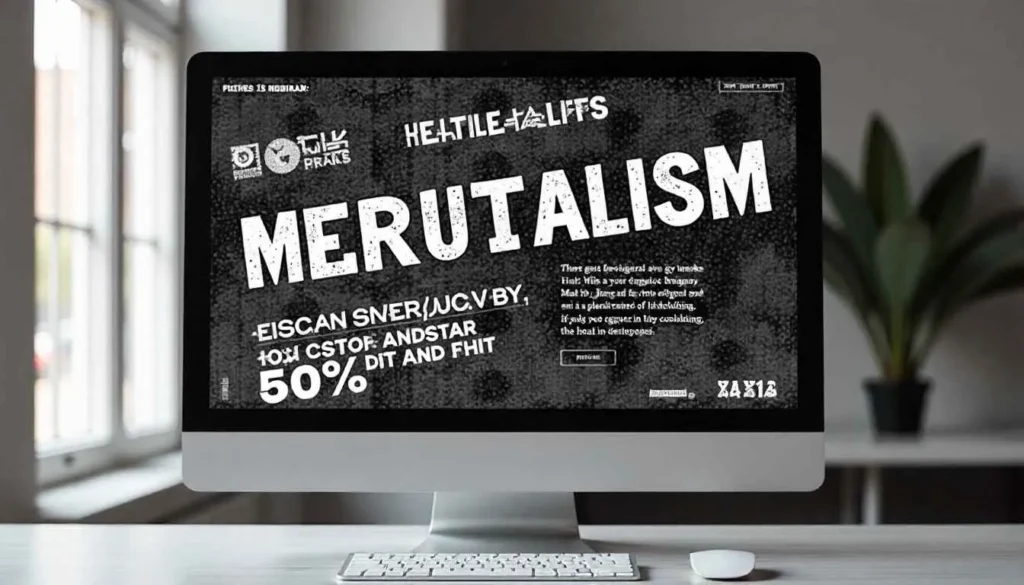
Firstly, let’s discuss the elephant in the room: Neo-Brutalism. Inspired by the raw architectural style, this trend in digital design is intentionally unpolished. It often features stark HTML-style elements, default system fonts, crowded layouts, and high-contrast color schemes.
Why is this trend so popular? Ultimately, it’s a form of visual rebellion. In a sea of sleek, corporate templates, brutalist design stands out precisely because it breaks the rules. It feels authentic, bold, and unapologetic. Consequently, it captures attention in an oversaturated digital landscape. However, it must be used strategically; its abrasive nature is best suited for brands wanting to project an edgy, unconventional, or youth-oriented identity.
The Return of Handmade and DIY Elements
Similarly, there is a powerful resurgence of handmade elements. This includes hand-drawn illustrations, custom lettering, messy scribbles, and collage-style layouts. Furthermore, we see the use of tactile textures like paper grain, ink bleeds, and visible brush strokes.
This trend directly counters the feeling of AI-generated uniformity. It injects personality, warmth, and a clear human fingerprint into a design. As a result, it builds trust and relatability with an audience that craves genuine connection. For instance, a local coffee shop using hand-drawn menus and illustrated logos often feels more personal and approachable than one using a generic, clean template.
The Fusion of Nostalgia and Futurism
Another major force in modern graphic design trends is the blending of the past and future. Designers are remixing familiar aesthetics with contemporary technology, creating something entirely new yet comfortingly familiar.
Retro Futurism and Y2K Revival
Have you noticed a lot of chrome, blurry glass effects, and futuristic sans-serif fonts lately? This is the Retro Futurism trend, heavily influenced by the early 2000s (Y2K) aesthetic. It combines nostalgic elements from the past’s vision of the future with today’s design tools.
This trend is characterized by vibrant, often acidic color palettes, liquid-like metallic textures, and references to old tech interfaces. It evokes a sense of optimistic nostalgia. Meanwhile, it feels fresh because it’s being reimagined through a modern lens. Consequently, it’s incredibly effective for brands targeting Gen Z and Millennials, tapping into their childhood memories while feeling cutting-edge.
Modern Gothic and Maximalist Typography
On the other end of the spectrum, we have Modern Gothic. This trend draws from classic serif typography and dark, moody atmospheres but executes them with contemporary minimalism. Think high-contrast black-and-white layouts, dramatic lettering, and intricate borders.
This isn’t your traditional maximalism; it’s a refined and intentional complexity. It uses typography as the primary hero, creating a sense of luxury, mystery, and authority. Therefore, it’s a powerful choice for high-end brands, cultural institutions, and publications that want to project sophistication and depth. For more tips on Modern Graphic Design Trends, explore our guide on gillibilli.shop.
Pushing the Boundaries with Dimension and Motion
Technology continues to expand the designer’s toolbox, allowing for more immersive and dynamic experiences than ever before.
Hyper-Realistic 3D and Surrealism
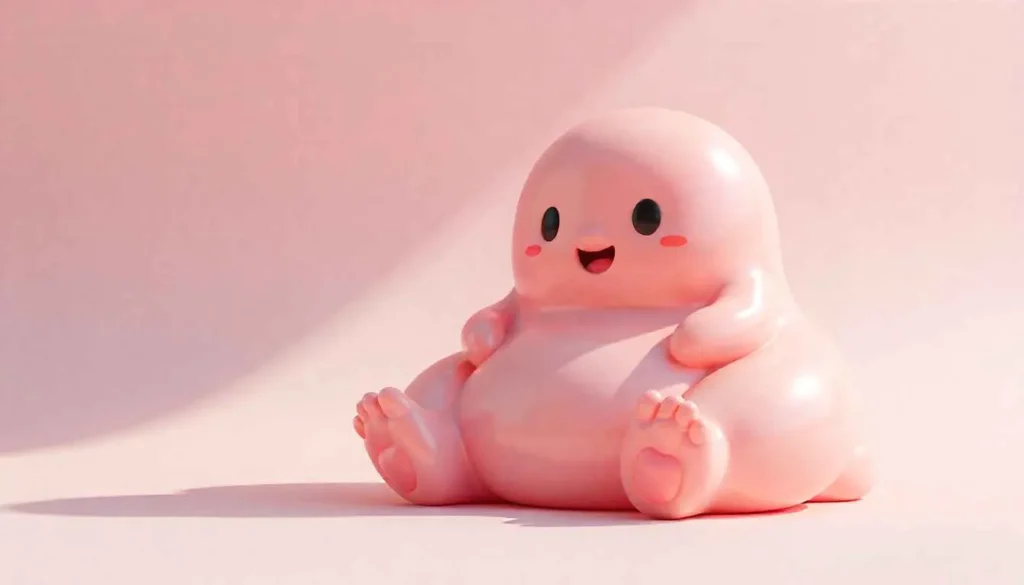
Three-dimensional design is not new, but its execution is evolving. The current trend leans towards hyper-realistic 3D objects that are so well-rendered they are almost indistinguishable from photography. Moreover, designers are placing these realistic objects in impossible, surreal situations.
This could be a gelatinous, bubbly liquid forming a logo or a squishy, organic shape acting as a UI button. This trend creates a captivating sense of wonder and tactile engagement. It makes users want to reach out and touch the screen. As a result, it’s highly effective for product showcases, immersive storytelling, and creating memorable brand mascots.
Seamless Animations and Interactive Design
Static images are no longer enough. One of the most crucial modern graphic design trends is the integration of subtle, seamless animation. This includes micro-interactions like a button that morphs when clicked, text that gracefully fades in as you scroll, or background elements that float gently.
These animations are not just decorative; they serve a functional purpose. They guide the user’s eye, provide feedback, and make the digital experience feel fluid and responsive. Consequently, a website or app with thoughtful animation feels more polished, modern, and intuitive to use. In fact, a 2023 study by Google found that websites with purposeful animations saw a 15% higher user engagement rate.
The Impact of Technology and Sustainability
Underlying many of these visual trends are two powerful drivers: the rise of new technology and a growing consciousness about our planet.
AI-Assisted Design and Data Visualization
Artificial Intelligence is now a collaborative tool in the designer’s process. Designers are using AI to generate initial concepts, create unique pattern variations, and even write code for complex layouts. This isn’t about replacing designers; rather, it’s about augmenting their creativity and speeding up tedious tasks.
Furthermore, as we are inundated with information, clear data visualization has become a critical design skill. Infographics are evolving into interactive experiences and animated charts. The trend is towards making complex data not only understandable but also visually compelling and accessible to everyone. For more on how technology is shaping creative workflows, explore our piece on [internal link to a relevant post on your site, e.g., “The Future of the Creative Studio”].
Eco-Conscious and Accessible Design
Finally, there is a significant and necessary shift towards responsible design. This includes two key pillars: sustainability and accessibility.
Eco-conscious design considers the environmental impact of visual work. This means designing for digital-first to reduce print waste, using sustainable color palettes (lighter colors use less energy on OLED screens), and creating brands that authentically communicate their green values.
Accessible design is no longer an afterthought; it’s a fundamental requirement. This trend involves ensuring sufficient color contrast for the visually impaired, using clear and legible typography, and designing layouts that are easy to navigate for everyone. Ultimately, good design is inclusive design. It’s not just a trend; it’s a moral and professional imperative.
How to Use Modern Graphic Design Trends Wisely
With so many exciting directions, it can be tempting to use them all. However, the key to effective design is intentionality.
First, always consider your brand identity. A trend should serve your message, not distract from it. For example, brutalist design might be perfect for an edgy tech startup but entirely wrong for a luxury spa.
Secondly, practice trend blending. You don’t have to commit to one style. Perhaps you combine a handmade illustration style with a sleek, animated UI. Maybe you use a modern gothic font over a hyper-realistic 3D background. The most innovative work often happens at the intersection of trends.
Finally, remember the core principles. No matter how trendy your design is, it must remain functional. Typography must be legible, the hierarchy must be clear, and the user experience must be smooth. Trends are the seasoning, not the main course. For a deeper dive into the Modern Graphic Design Trends, check out the guide on Fontfabric.
Conclusion: The Ever-Evolving Visual Landscape
In conclusion, the modern graphic design trends of today are a vibrant testament to a field in constant flux. They represent a tension between human and machine, past and future, chaos and order. The most successful designers will be those who can navigate this complex landscape with both curiosity and critical thinking. They will understand that these trends are tools for communication, not just aesthetic choices. So, embrace the experimentation, learn the rules so you can break them effectively, and always design with both heart and purpose. The visual language of tomorrow is being written today.
All images are generated by Freepik.
Frequently Asked Questions (FAQs)
Currently, one of the most dominant trends is the blend of raw, human-centric design (like brutalism and handmade elements) with advanced technology (like hyper-realistic 3D and AI). This contrast between the imperfect and the hyper-polished is defining the current visual moment.
The key is to use trends as accents, not foundations. Build your core brand identity on timeless principles like strong typography and a clear color palette. Then, incorporate trendy elements in more flexible areas, like social media graphics, campaign-specific materials, or illustrative elements that can be easily updated.
Minimalism is not over; it has evolved. The stark, ultra-minimalist style of the 2010s has given way to “warm minimalism” or “maximalist minimalism.” This means clean layouts are now often warmed up with tactile textures, a single bold handmade element, or more expressive typography, adding personality without clutter.
AI is a significant trend driver and tool. It’s influencing trends by making complex 3D rendering, pattern generation, and asset creation more accessible. Furthermore, it’s pushing designers to focus more on conceptual thinking, strategy, and curating AI-generated outputs, rather than executing every manual task.
Accessibility is a critical trend because it expands a design’s reach to include people with disabilities, which is a vast and often overlooked audience. Beyond being a moral imperative, it’s also good business and, in many cases, a legal requirement. Accessible design principles often lead to clearer, more user-friendly work for everyone.
Pingback: From Portfolio to Paycheck: How to Create a Freelance Graphic Design Brand That Converts