
Let’s be honest. The first few months of freelancing can feel like shouting into a void. You create profiles on the big platforms, send out proposals, and then… crickets. Or maybe you’re just tired of competing on price and dealing with middlemen. What if you could build a client pipeline that comes to you, one built on your expertise and reputation rather than a race to the bottom?
This is not only possible; it’s how the most successful, sustainably busy freelancers operate. They’ve moved beyond the platforms to create their own systems. The good news is you can, too. It requires a shift in mindset, from being a service provider to becoming a trusted authority. Today, we’ll walk through three powerful, organic methods to find serious, high-quality freelance clients who value your work and are willing to pay what you’re worth.
Why You Should Look Beyond Freelance Marketplaces
Platforms like Upwork and Fiverr serve a purpose, especially when you’re just starting. They offer a structured environment and a stream of potential leads. However, relying on them long-term has significant drawbacks.
First, you’re always competing on price. Clients on these sites are often shopping for a bargain, which can make it difficult to command your true rate. Second, the platforms take a not-insignificant cut of your earnings. Finally, you don’t own the relationship with your client. The platform does. If your account faces an issue or the platform changes its algorithms, your entire business could be at risk.
Building your own client acquisition channel puts you in control. You set the prices, you own the relationships, and you build a brand that can withstand market changes. Now, let’s explore the first and most proactive method: organic outreach.
Mastering the Art of Organic Outreach
Organic outreach is about starting genuine conversations with people who might benefit from your skills. It’s not about sending spammy, copy-pasted emails. Instead, it’s a targeted, personal, and value-driven approach.
Identifying Your Ideal Client
Before you send a single email, you need to know who you’re talking to. Trying to talk to everyone is a recipe for burnout. Ask yourself these questions:
- What industry do they operate in?
- What is their job title? (e.g., Marketing Manager, Founder, Product Lead)
- What size company do they work for?
- What are their biggest daily challenges?
- What goals are they trying to achieve?
For instance, as a freelance designer, your ideal client might be a “Marketing Director at a B2B tech startup with 10-50 employees.” This clarity makes every subsequent step much easier.
Crafting a Connection, Not a Pitch
Once you have your list of potential freelance clients, the goal is to connect, not to close a deal in the first message. Your outreach should be warm and human.
- Find a Genuine Point of Connection. Look at their company’s website, their LinkedIn profile, or their recent social media posts. Did they just launch a new product? Did they write an article you genuinely found interesting? Did you listen to a podcast they were featured on?
- Personalize Your Message. Use that point of connection to start your message. For example: “Hi [Name], I came across your recent article on [Topic] and was really impressed by your point about [Specific Insight]. It resonated with me because…”
- Offer Micro-Value, Then Inquire. After your opening, briefly transition to how you might help. Frame it as an observation, not a sales pitch. *”I noticed your website is beautifully laid out, and it got me thinking about how a refined user experience could further boost conversions. I actually specialize in that area. Would you be open to a quick 15-minute chat next week to explore some ideas?”*
This approach shows you’ve done your homework and are interested in a conversation, not just a transaction. For more on defining your niche, check out our guide on The Autonomous Freelancer.
Leveraging LinkedIn to Build a Client Network
LinkedIn is arguably the most powerful tool in a freelancer’s arsenal when used correctly. It’s not just a digital resume; it’s a dynamic platform for building professional relationships and demonstrating your expertise.
Optimizing Your Profile for Opportunity
Your profile should scream “expert,” not “job seeker.”
- Headline: Don’t just put “Freelance Designer.” Use a keyword-rich headline that states the value you provide. For example: “Freelance UX Designer | I Help SaaS Companies Increase User Engagement & Reduce Churn Through Intuitive Design.”
- About Section: Tell a story. Explain who you help, what problems you solve for them, and what makes your approach unique. Weave in your key achievements and a clear call-to-action (e.g., “Feel free to connect or send me a message to discuss your project”).
- Featured Section: This is your portfolio hub. Showcase your best work samples, case studies, and articles you’ve written.
Building Relationships Through Engagement
Passively having a great profile isn’t enough. You need to be active.
- Post Consistently: Share your thoughts on industry trends, post snippets of your work, and share lessons you’ve learned. You don’t need to be a world-class content creator; just be consistently helpful.
- Comment Meaningfully: Find posts by your ideal clients or industry leaders and leave thoughtful comments that add to the conversation. This puts your name and expertise in front of the right people.
- Connect with a Personal Note: When sending connection requests, always include a personal note. Mention a shared group, a post of theirs you liked, or a brief reason for connecting.
By providing value consistently, you position yourself as a knowledgeable professional. Soon, people will start to see you as the go-to person in your field, and opportunities will begin to flow your way.
Building Authority with Strategic Content

This is the long-game strategy that creates a magnet for freelance clients. When you create valuable content, you are effectively building a library of proof that demonstrates your skills and knowledge. Clients start to come to you because they already know, like, and trust you. For more about finding Freelance Clients Without Upwork or Fiverr, visit gillibilli.shop.
Choosing Your Content Platform
You don’t have to be everywhere. Pick one or two platforms that align with your strengths and where your ideal clients spend time.
- A Professional Blog: Writing detailed case studies or tutorials on your own website is a powerful way to show your process. For example, a blog post titled “How I Redesigned a Landing Page to Increase Sign-ups by 40%” is far more compelling than just showing the final image.
- LinkedIn Articles & Posts: As discussed, this is perfect for shorter-form, professional insights.
- Twitter/X: Great for quick tips, engaging in industry chats, and sharing your personality.
- Dribbble or Behance (for Designers): Essential for visual portfolios, but pair your images with the story behind the work.
What to Create to Showcase Your Expertise
Your content should always answer the questions your potential clients are asking.
- Case Studies: This is your most powerful sales tool. Detail a client’s problem, your process for solving it, and the measurable results you achieved.
- How-To Guides and Tutorials: Share your knowledge. A web designer might write “5 Common Website Mistakes That Are Costing You Clients.” This establishes immediate value.
- Your Perspective on Trends: Share your thoughts on new tools or industry shifts. This shows you’re forward-thinking and deeply embedded in your field.
The goal is to make it easy for a potential client to envision you solving their problem. When they read your case study and think, “That’s exactly the issue I’m having,” you’ve already done 80% of the selling work before you’ve even had a conversation. This is the ultimate path to learning how to get clients as a freelance designer who respects your craft.
Bringing It All Together in a Sustainable System
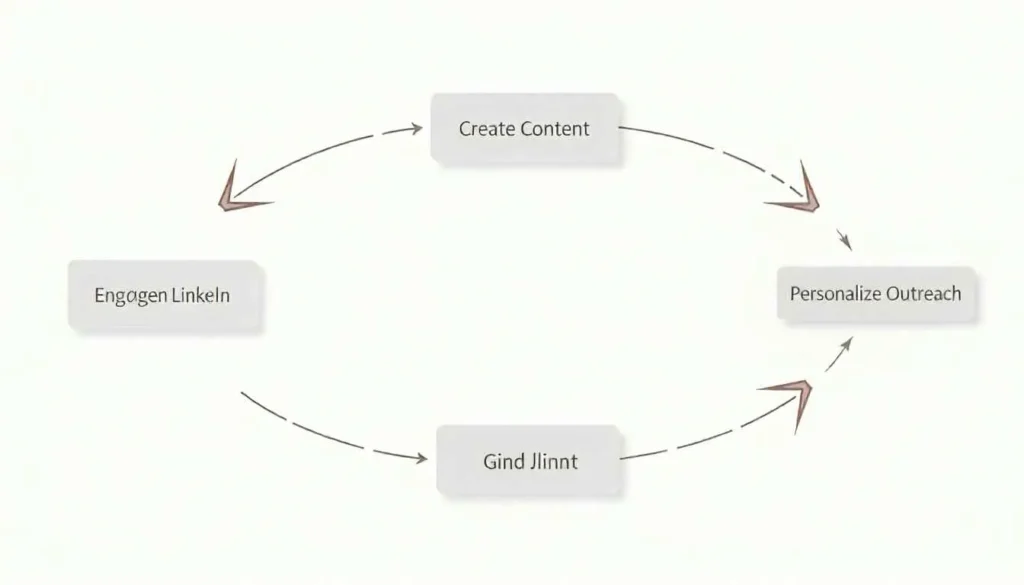
Organic outreach, LinkedIn networking, and content creation work best together. Your content builds credibility on LinkedIn, while your LinkedIn connections inspire better outreach and ideas. Set a weekly rhythm, send personalized outreach, engage daily on LinkedIn, and publish content regularly. This consistency turns freelancing from chasing gigs into building a steady, trusted business.
Frequently Asked Questions (FAQs)
It depends on your consistency and niche, but typically, you might see your first lead within 4-8 weeks. Organic growth isn’t instant, but it creates a much more stable and valuable client base than the volatile nature of bidding platforms.
Absolutely. LinkedIn allows for thoughtful, written communication, which can be a perfect fit for introverts. You can take your time to craft comments and messages without the pressure of face-to-face small talk. Focus on quality conversations over quantity.
The biggest mistake is being too generic. Sending the same message to hundreds of people or having a portfolio that tries to appeal to everyone ends up appealing to no one. Niching down and personalizing your communication is the fastest way to stand out.
Persistence is key, but don’t be a nuisance. A good sequence is to follow up 3-5 times over 3-4 weeks. Space your follow-ups about a week apart, and try adding new value in each one, like a link to a relevant article you wrote or a new piece of work in your portfolio.
Yes, of course. Many freelancers use platforms for initial cash flow while they build their long-term, organic client acquisition engine. Just be sure to gradually shift your focus and time investment toward the strategies that build your own asset, your personal brand, and network.
Pingback: Content Marketing for Freelancers: Your Blueprint for Attracting Dream Clients
Pingback: How AI is Changing Freelancing: Replacement or Reinvention?