
Imagine a stunning interior design concept. Now, picture the hundreds of steps, people, and details required to turn that vision into a physical reality. This is where the magic of a different kind of professional comes in: the interior design project manager. They are the vital link between creative dreams and finished spaces. This role is the engine of the project, ensuring that the beautiful designs you see on mood boards are delivered on time, on budget, and to the highest standard. Without this crucial oversight, even the most brilliant design can get lost in a maze of delays and miscommunication. This guide will explore exactly what an interior design project manager does, why they are indispensable, and how they orchestrate every element to create a harmonious final result.
What Exactly Does an Interior Design Project Manager Do?
An interior design project manager is both a strategist and a conductor. They take the creative vision established by the designer and translate it into a practical, actionable plan. Their core mission is to foresee challenges, allocate resources, and maintain clear communication across all parties. Consequently, they handle the logistical heavy lifting, which allows the creative team to focus on innovation and aesthetics. From initial client meeting to the final installation, they are the steady hand guiding the project to success. They are the point person for questions, the solver of problems, and the keeper of the schedule.
The Key Responsibilities of a Successful Interior Design Project Manager
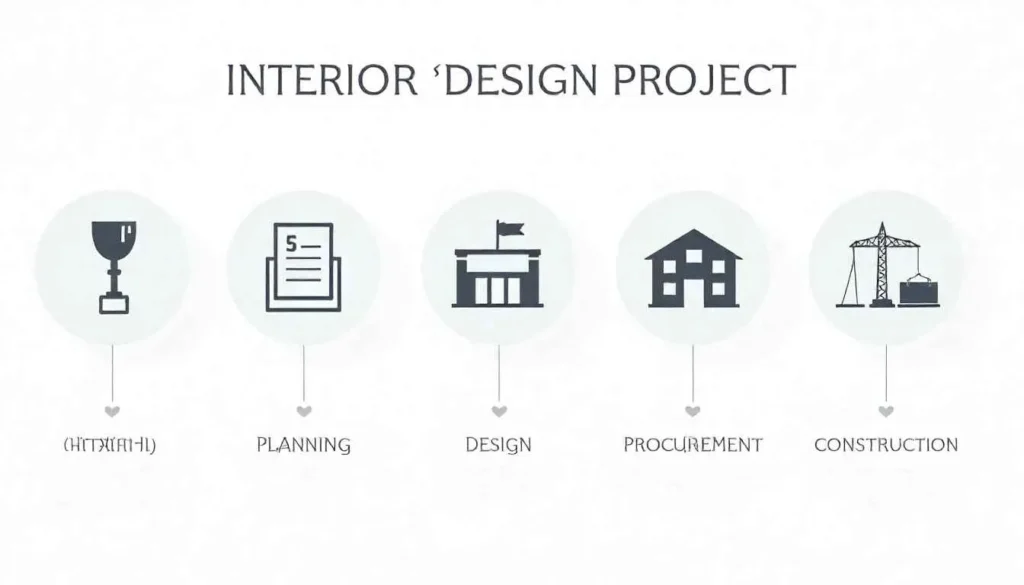
The role is multifaceted, blending financial acumen with people skills and a deep understanding of the design process.
Developing the Project Plan and Timeline
Every successful project starts with a roadmap. The interior design project manager creates a detailed project plan that outlines every phase. This includes setting milestones for concept development, design presentations, procurement, and installation. They use tools like Gantt charts in Asana or Monday.com to visualize the timeline and keep everyone on track.
Budget Management and Cost Control
They are the guardian of the project’s finances. This means creating an initial budget, tracking all expenses, and ensuring costs do not spiral out of control. They negotiate with vendors and contractors to get the best prices. When unexpected costs arise, they find solutions that minimize impact without compromising the design integrity.
Communication and Team Coordination
This is perhaps their most critical function. The project manager acts as the central communication hub between the client, the interior designer, architects, contractors, and vendors. They facilitate regular meetings, provide progress updates, and ensure everyone has the information they need to do their job effectively. For more on building effective workflows, you can explore resources on streamlining creative projects.
The Essential Skills Every Design Project Manager Needs
Mastering this role requires a unique blend of hard and soft skills.
- Superb Organization: They must juggle multiple tasks, deadlines, and details without letting anything slip.
- Financial Literacy: Understanding budgeting, forecasting, and cost analysis is non-negotiable.
- Risk Management: The ability to identify potential problems before they happen and develop contingency plans is invaluable.
- Clear Communication: They must be able to explain complex issues simply to clients and convey technical requirements clearly to contractors.
- A Solid Understanding of Design: While not the creator, they need to understand design principles, materials, and construction methods to manage the project effectively.
A Step-by-Step Look at the Management Process
Following a structured process is what separates a good manager from a great one.
- Initiation and Briefing: They work with the client and designer to define the project scope, goals, and budget.
- Planning and Scheduling: They develop the master project plan, timeline, and budget.
- Design Phase Management: They manage the timeline for concept development, client presentations, and design refinements.
- Procurement and Logistics: They oversee the ordering of all furniture, fixtures, and equipment (FF&E), tracking deliveries and managing storage.
- Construction and Installation Oversight: They coordinate with contractors on-site, conduct quality control checks, and manage the installation of all design elements.
- Project Closure and Handover: They conduct a final walkthrough with the client, ensure all paperwork is complete, and officially close the project.
The Real-World Impact: A Project in Action

Consider a high-end residential kitchen renovation. The interior designer envisions a custom, handcrafted island from Italy. The interior design project manager researches vendors, obtains quotes, manages complex ordering and shipping logistics, and coordinates their arrival with the cabinet installers and plumbers. They ensure the island arrives undamaged and is installed on the exact day the countertop fabricator is scheduled to template. This level of coordination prevents costly delays and provides a perfect fit. For more about The Interior Design Project Manager: Your Guide to a Flawless Creative Process, visit our guide gillibilli.shop.
The Unsung Hero of Beautiful Spaces
The work of an interior design project manager often happens behind the scenes. While the designer receives applause for the beautiful space, the project manager is the one who made sure the lights turned on, the furniture arrived intact, and the client moved in on schedule. They are the calm in the storm of creativity and construction, providing the structure that allows beauty to flourish. By mastering logistics, communication, and finance, they turn complex challenges into seamless successes. They are, without a doubt, the backbone of any world-class interior design project. Once your space is perfectly managed and ready, the final touch is making it feel like home.
All images are generated by Freepik.
Frequently Asked Questions
An interior designer focuses on the creative and aesthetic aspects, concept, space planning, and material selection. The interior design project manager focuses on the execution, timeline, budget, and coordination to bring that design to life.
For small projects, the designer may handle both roles. However, for any project involving multiple contractors, custom orders, or a tight timeline, a dedicated project manager can save you time, money, and significant stress.
They commonly use project management software like Asana or Trello, communication tools like Slack, financial software like QuickBooks, and design programs like AutoCAD for reviewing drawings.
A good manager anticipates potential delays. When one occurs, they immediately communicate with the client, assess the impact on the overall timeline, and work with the team to develop a solution to get back on track.
Look for proven experience in similar projects, excellent references, strong organizational and communication skills, and a good understanding of both design and construction processes.
Pingback: The Design Project Manager: The Bridge Between Creative Vision and Real-World Delivery