
The scent of fresh coffee, the gentle hum of your computer, the satisfying click as you perfect a vector point, this is the freelance graphic design dream. But for many, that dream is punctuated by a less pleasant sound: the quiet dread of an empty inbox. You have the skills. Your portfolio is decent. So why are you still competing for projects that pay in “exposure”?
The difference between a hobbyist and a professional isn’t just talent; it’s a powerful, intentional brand.
Think about it. High-paying clients aren’t just buying a logo or a social media graphic. They are investing in a solution to their problem, and they need to trust the problem-solver completely. Your brand is the vehicle for that trust. It’s the story you tell and the visual proof that convinces them you’re the obvious choice. Today, we’re moving beyond just having a portfolio. We’re building a graphic design brand that consistently converts browsers into high-value clients.
Why Your “Graphic Design” Business Needs More Than Just a Portfolio
A portfolio shows what you can do. A brand explains who you are, how you work, and why it matters to your ideal client. It’s the difference between being a commodity and being a specialist.
When you have a strong brand, you stop competing on price. Instead, you attract clients who are drawn to your specific style, process, and perspective. They come to you already understanding your value, which makes them willing to pay a premium for it. A cohesive brand builds credibility before you even have a conversation. It does the heavy lifting of sales, allowing you to focus on the work you love.
The Two Pillars of a Converting Design Brand: Visual and Narrative
A powerful freelance brand stands on two equally important pillars. The first is your visual identity, the aesthetic that makes people stop scrolling. The second is your narrative identity, the story that makes them stay and listen. We’ll dive into both.
Pillar 1: Crafting Your Unforgettable Visual Identity
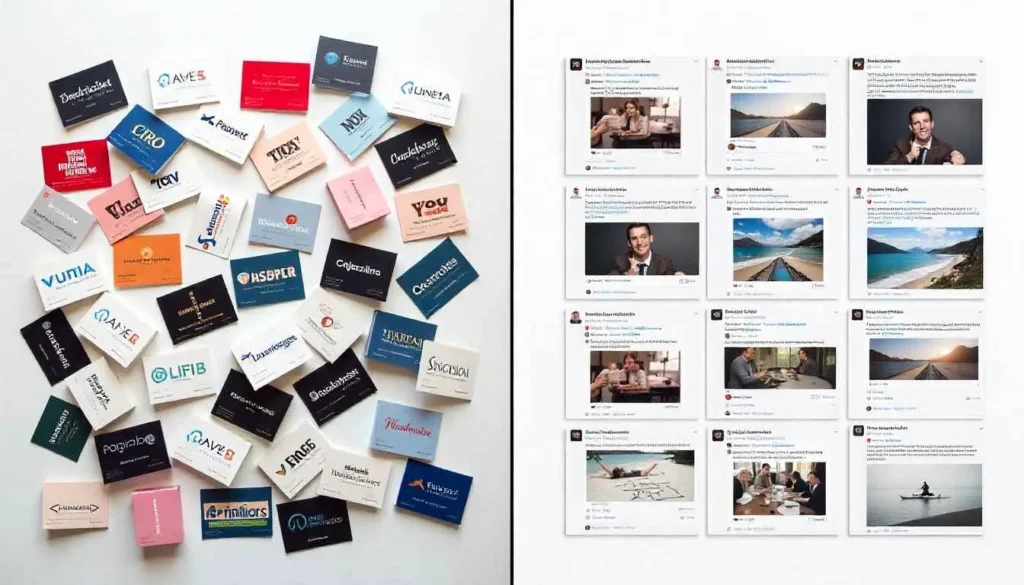
Your visual identity is the first handshake, the first impression. It must be cohesive, professional, and a true reflection of your work.
Defining Your Graphic Design Style Signature
You can’t be for everyone. The most successful designers have a recognizable style. This doesn’t mean you do the same thing over and over, but rather that you have a core aesthetic thread.
Start by looking at your own work. What patterns do you see? Do you lean towards minimalist layouts, bold typography, or organic illustrations? Collect your top 5-10 favorite projects and analyze them. Identify the common elements like color palettes, font choices, and use of space. This is your style signature. It’s what makes your work instantly identifiable. For more information about graphic design, visit gillibilli.shop.
Building a Brand Kit That Doesn’t Scream “Amateur”
Your personal brand needs the same professional treatment you’d give a client. Create a simple but consistent brand kit for yourself.
- Primary Logo & Variants: Design a main logo, a secondary mark (perhaps an icon), and a submark for small spaces like social media profiles.
- Color Palette: Choose 2-3 primary colors and 2-3 secondary/accent colors. Define them with HEX and RGB codes for digital use.
- Typography: Select a primary font for headlines and a secondary, highly legible font for body text. Don’t use more than three fonts in your entire kit.
- Imagery Style: Decide on a style for any photography or graphics you use on your website and social media. Will it be muted and textured, or bright and flat?
This kit ensures that everything from your Instagram story to your project proposal looks like it came from the same, polished studio.
Your Portfolio Website: The Conversion Hub
Your website is your most important digital real estate. It’s not just an archive; it’s your chief salesperson.
- Curate, Don’t Dump: Show only your absolute best work. It’s better to have 8 stunning projects than 20 mediocre ones. For those starting, even personal passion projects or speculative work for fake brands (concept projects) can demonstrate skill and vision, much like successful graphic design internships provide real-world experience.
- Tell the Project Story: Don’t just show the final image. For each portfolio piece, write a short case study. What was the client’s problem? What was your process? What was the result? This showcases your strategic thinking.
- Clear Call-to-Actions (CTAs): Make it stupidly easy for people to hire you. Use buttons and links that say “Start a Project,” “Get a Quote,” or “Book a Call.” Avoid generic “Contact Me” text.
Pillar 2: Weaving Your Compelling Narrative Identity
Your narrative is the soul of your brand. It’s the reason people connect with you on a human level.
Finding Your “Why” Beyond Making Things Look Pretty
Why did you become a designer? Maybe it’s a deep-seated need to create order from chaos. Perhaps it’s a passion for helping small business owners tell their stories. Your “why” is your driving force. When you communicate this, you attract clients who share your values. They aren’t just buying a service; they’re buying into a mission.
Crafting Your Origin Story and Designer Bio
Your bio shouldn’t be a dry list of software proficiencies. It should be a story. How did you discover design? What unique journey led you to this point? Weave in your personality. Are you witty and sarcastic, or calm and methodical? Let that shine through. A great bio makes a potential client feel like they already know you.
Speaking to Your Dream Client’s Pain Points
Shift your language from features to benefits. Instead of saying “I design logos,” you could say, “I help wellness coaches build visual identities that attract their ideal clients and convey a sense of calm and trust.” This speaks directly to the client’s desired outcome. Identify the fears, frustrations, and goals of your ideal client, and then position your services as the solution.
Putting It All Into Practice: A Step-by-Step Action Plan
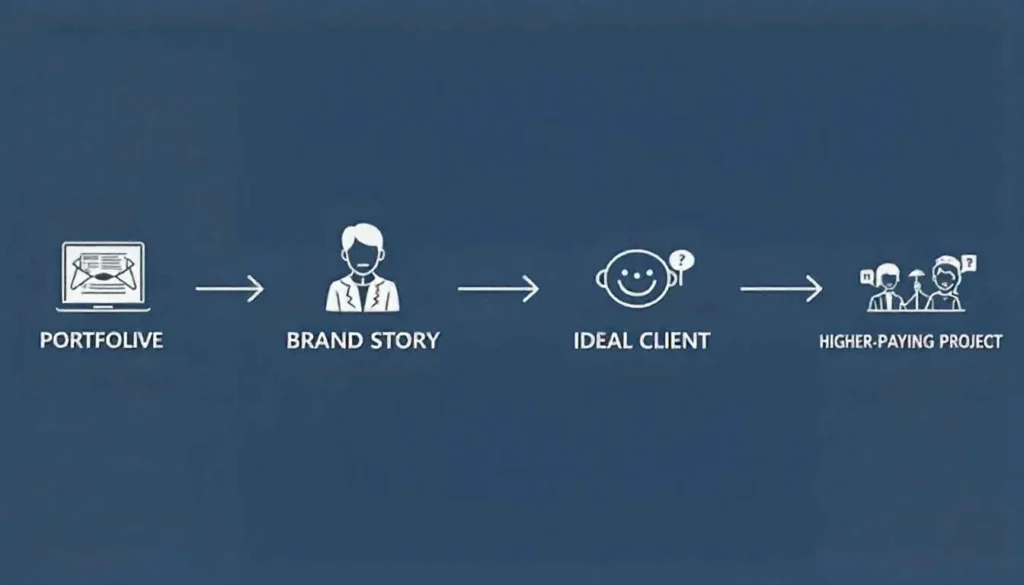
Now, let’s turn this theory into actionable steps you can start today.
- Audit Your Current Presence: Look at your website and social media with a critical eye. Is it consistent? Does it tell a clear story?
- Define Your Ideal Client: Get specific. Are they tech startup founders, boutique bakery owners, or sustainable fashion brands? The more specific, the better you can tailor your message.
- Build Your Brand Kit: Dedicate a day to finalizing your logo, colors, and fonts.
- Rewrite Your Website Copy: Infuse your “why” and your client-focused language into your homepage, about page, and portfolio case studies.
- Align Your Social Media: Ensure your profiles visually match your new brand kit and that your content supports your narrative.
For more information, visit The Interaction Design Foundation.
Conclusion: Your Brand is Your Business
Building a standout graphic design brand isn’t a one-weekend project. It’s an ongoing practice of aligning your work with your voice. It requires introspection, consistency, and the courage to niche down. But the payoff is immense. You transform from a service provider into a sought-after expert. You replace the feast-or-famine cycle with a steady stream of clients who respect your work and value your rates.
The tools are in your hands. You have the creativity. Now, build the brand that ensures your talent doesn’t just shine, it sells.
All images are generated by Freepik.
Frequently Asked Questions
Starting with a niche doesn’t mean you’re stuck forever. It simply helps you focus your marketing efforts and become the go-to expert for a specific audience. You can always expand your services later once you’ve established a strong reputation.
Graphic design internships are incredibly valuable. They provide real-world projects for your portfolio, teach you how to work with clients and teams, and help you understand the business side of design. The experience and case studies you gain are foundational blocks for a strong professional narrative.
Consistency is more important than any single element. A consistent, limited color palette and typography system across your website and social media will make you look more professional and established than any trendy logo could on its own.
Authenticity is your greatest weapon against saturation. No one else has your unique combination of experiences, perspective, and personality. Lean into what makes you you. Your specific story and the way you solve problems for clients are something no one can copy.
While professional photos are great, they aren’t always necessary at the start. You can use high-quality stock photos that fit your visual style, or even create simple, brand-aligned graphics and typography-based images. The key is that they feel intentional and cohesive.
Pingback: Modern Graphic Design Trends Shaping the Visual World
Pingback: Freelance Pricing: How to Value Your Work & Win Clients