
Imagine a complex design project at its peak. Ideas are flying, mockups are evolving, and the energy is high. Now, imagine that same project spiraling into chaos: missed deadlines, budget overruns, and a frustrated team. The difference between these two scenarios often comes down to one crucial role: the design project manager. This professional is the strategic force that channels creative energy into a structured, successful outcome. They are not the creator of the design, but rather the guardians of the process that brings it to life. A design project manager ensures that brilliant ideas don’t get lost in translation, ensuring that the final product is not only beautiful but also delivered efficiently. This guide will explore what this role truly entails and why it’s the backbone of any successful creative team.
What is a Design Project Manager?
A design project manager is a specialized professional who applies project management principles to the world of design. They operate at the intersection of creativity, business, and logistics. Their primary function is to plan, execute, and oversee design projects from the initial brief to the final handoff. They are the central point of communication for everyone involved, including designers, clients, developers, and stakeholders. Consequently, they translate creative goals into actionable tasks, timelines, and budgets. They are the calm, organized presence that allows designers to focus on what they do best: designing.
Core Responsibilities of a Design Project Manager
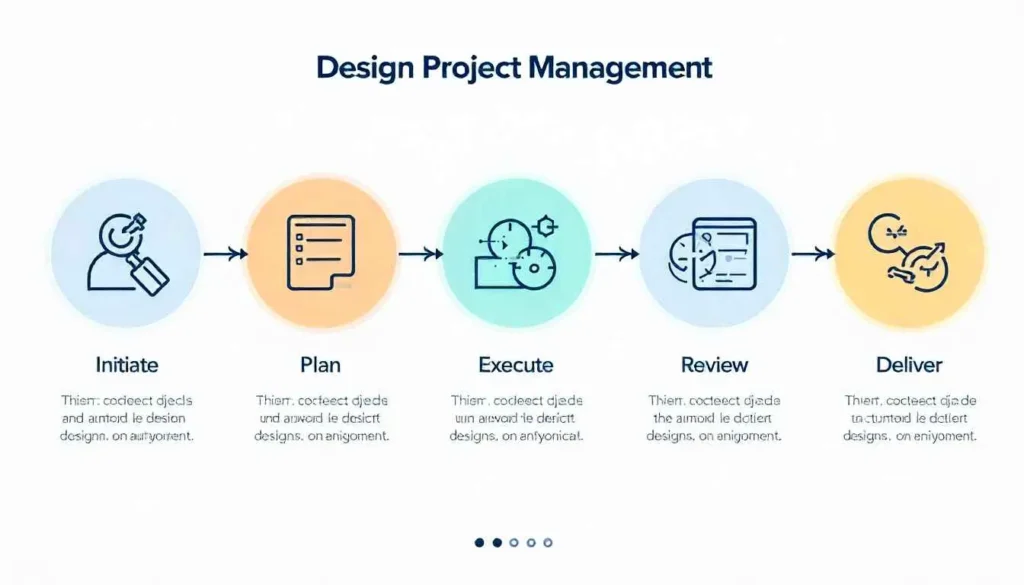
The role is multifaceted, requiring a blend of hard and soft skills to keep projects moving smoothly.
Project Scoping and Planning
Before any design work begins, the design project manager defines the project’s scope. They work with clients and stakeholders to outline objectives, deliverables, and constraints. They then create a detailed project plan, breaking down the work into manageable phases and establishing a realistic timeline. This plan becomes the project’s roadmap.
Resource and Team Management
They are responsible for assembling the right team for the project and ensuring everyone has what they need to succeed. This includes allocating tasks, managing workloads, and ensuring that designers aren’t overburdened. They shield the creative team from unnecessary interruptions, allowing for deep, focused work. For more about The Design Project Manager: The Bridge Between Creative Vision and Real-World Delivery, visit our site gillibilli.shop.
Budget and Timeline Oversight
The design project manager creates the project budget and tracks all associated costs. They are constantly monitoring the timeline, identifying potential delays early, and implementing solutions to get back on track. Their vigilance prevents scope creep and ensures the project remains financially viable.
The Essential Skills for Success
To thrive in this role, one needs a specific toolkit of abilities.
- Exceptional Communication: They must be able to clearly articulate project goals to the team and explain design decisions to non-designers.
- Masterful Organization: Juggling multiple projects, deadlines, and details is a fundamental part of the job.
- Risk Management: The ability to foresee potential obstacles and develop contingency plans is invaluable.
- A Solid Understanding of Design: While they may not be hands-on, they need to understand design principles, tools, and workflows to manage them effectively.
- Empathy and Diplomacy: They often navigate conflicting opinions and feedback, requiring tact and a deep understanding of human dynamics.
The Design Project Manager’s Workflow: A Step-by-Step Process
While each project is unique, a strong design project manager typically follows a consistent framework.
- Initiation: The project is defined, and the initial brief is solidified.
- Planning: The project plan, schedule, and budget are developed and approved.
- Kick-off: The team is aligned on goals, roles, and the project roadmap.
- Execution & Monitoring: Design work begins. The manager tracks progress, manages communication, and holds regular check-ins.
- Review & Feedback: Designs are presented, and feedback is collected, consolidated, and communicated back to the team clearly.
- Closure & Handoff: Final assets are delivered, project documentation is finalized, and a retrospective is held to identify lessons learned.
Why This Role is a Game-Changer for Creative Teams
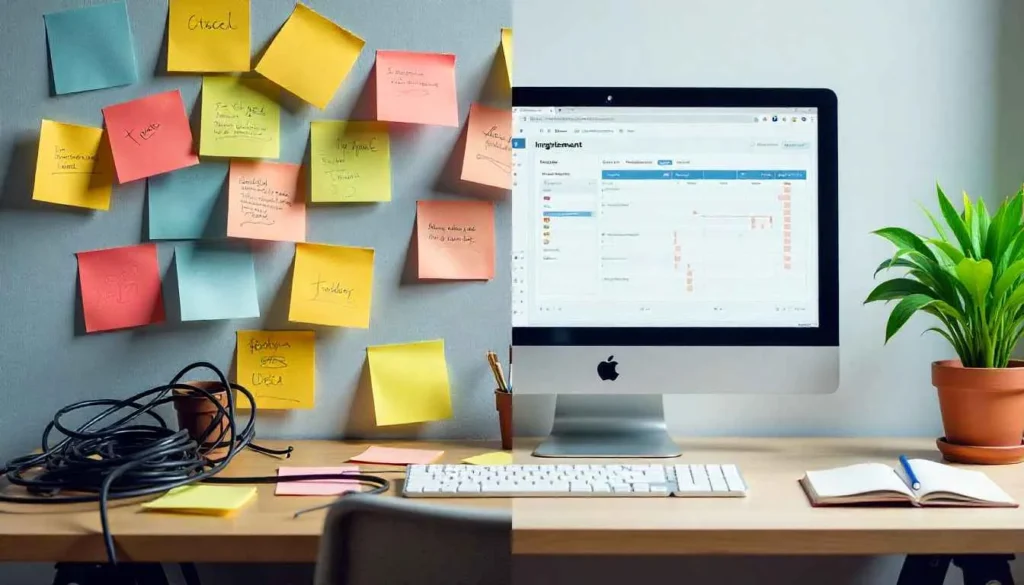
The impact of a skilled design project manager is profound. For creative teams, it means less administrative burden and more time for design. It leads to higher-quality work because designers can focus within a protected environment. For clients and stakeholders, it means greater transparency, predictability, and a smoother overall experience. In essence, as we explored in our piece on streamlining creative workflows, this role adds a layer of professional structure that elevates the entire design operation from a cost center to a strategic, reliable asset.
The Strategic Linchpin of Modern Design
The design project manager is the unsung hero of the creative world. They operate behind the scenes, turning the chaotic energy of creation into a streamlined, repeatable process. They are advocates for both the design team and the project’s business goals, ensuring that neither is sacrificed for the other. By mastering the arts of communication, organization, and empathy, they build the bridge that allows great ideas to cross into reality. They are the reason stunning designs actually see the light of day, on time and on budget.
All images are generated by Freepik.
Frequently Asked Questions
The Design Project Manager oversees the process, manages the timeline, and controls the budget to execute that vision.. One leads the creative “what,” the other manages the logistical “how.”
Even small teams benefit greatly. As soon as you have multiple projects, clients, or deadlines, a dedicated person to manage the workflow can drastically improve efficiency and reduce stress for the designers.
They commonly use project management software like Asana, Jira, or Monday.com; communication tools like Slack; and design collaboration platforms like Figma for reviewing work and gathering feedback.
Absolutely. Many design project managers start as designers. Their firsthand understanding of the creative process is a huge advantage. The transition involves developing stronger skills in budgeting, scheduling, and client communication.
Success is measured by on-time delivery, adherence to budget, client satisfaction scores, and the overall health and happiness of the design team. A low rate of project fire drills is also a key indicator.